Social, Affordable, or Cheap Housing?
In everyday conversation, we often use these three terms as synonyms, but each one measures something different. Social housing responds to regulations and public policy. Its price, characteristics, and financing mechanisms are linked to programs and regulations that seek to facilitate access to housing for certain sectors of the population.
Affordable housing refers to the relationship between housing costs and the income of the person who lives in it. Here, it is not only about how much a home costs, but what portion of the household income that expense represents. Therefore, the same home can be affordable for one family and not for another.
Cheap housing, on the other hand, is neither a legal nor a technical category. It is simply housing that has a low price compared to other options. But the fact that a home is cheap does not necessarily mean that it is a good option for the person who buys it.
But if a lower-priced home requires repairs or involves additional expenses to make it habitable, the initial price may be low, but the actual cost of living in it may be higher. Reducing the price does not always mean solving the problem of access.
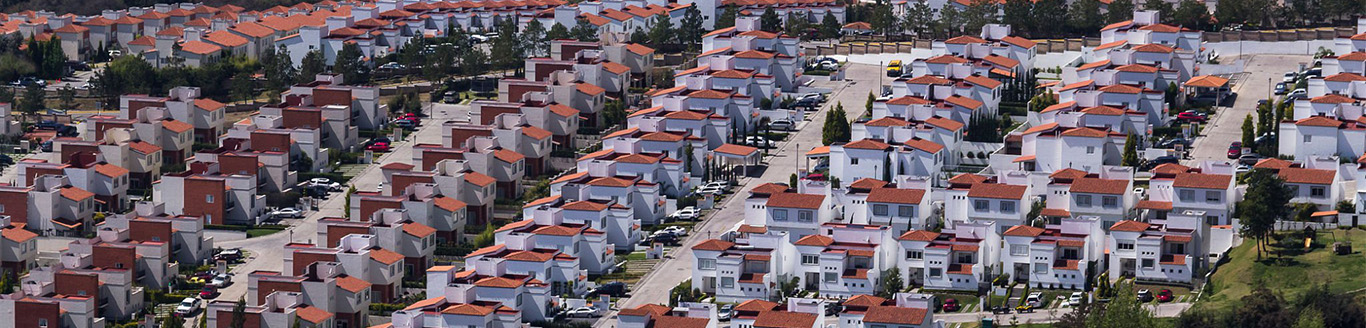
For decades, one of the responses to the problem of access to housing has been to reduce construction costs. Fewer square meters, more economical construction systems, and land farther from the city. The logic is simple: if housing costs less, more people will be able to buy it. None of this means that lower-priced housing is necessarily bad; the problem arises when price becomes the only indicator of success.
Distinguishing between these concepts matters because they do not pursue exactly the same objective. A home can be social housing and not be affordable for a particular household. It can also be cheap and, nevertheless, fail to provide the conditions necessary for a good quality of life.
The challenge should not be solely to build housing so that it costs less, but to build so that more people can access adequate housing and a better quality of life.